What Is SEO and How It Works in 2026? (Beginner’s Guide to SEO)
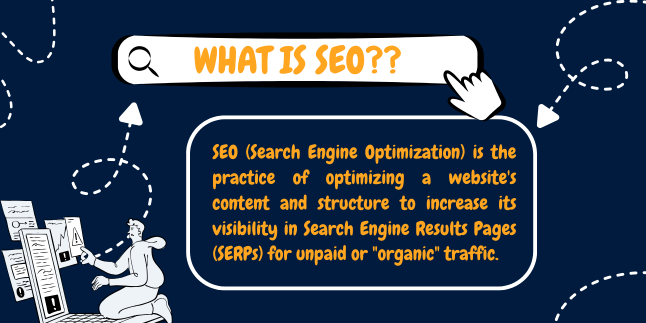
What is SEO? Why do we need SEO? What is the purpose of SEO? How is it relevant in 2026 when we have so many AI tools . We often see certain websites appear right at the top of search results whenever we type a query into a search engine. Ever wondered why some pages rank higher while others remain buried below? Is it because the top ones are more relevant? Or because they have more content? What really makes the difference? If these questions have ever crossed your mind, you’re not alone. This is exactly where Search Engine Optimization (SEO) comes into play. SEO is the reason behind how search engines decide which pages deserve to appear first for a given query. Let’s take a closer look at what is SEO & how SEO works and what it really means in 2025-2026. What Is a Search Engine? A search engine is a tool that allows you to type a word or question (called a query) and then shows you a list of websites, images, videos, or other content that matches what you’re looking for.In simple terms, it’s like a query processing system—but far more advanced. How It Works: You type a query for example, “best SEO company in Jaipur.” The search engine processes this query using complex algorithms. It searches through its vast database (called an index) of billions of web pages. It ranks and displays the most relevant results for your query.So essentially :A search engine = an advanced query processing and information retrieval system. However, search engines go far beyond simple query processing. They: Crawl web pages (discover and collect data) Index content (organize it efficiently) Rank pages (decide which ones to show first) And that’s where SEO becomes crucial in helping your web pages perform better in each of these steps. What Is SEO? Search Engine Optimization (SEO) is the process of improving your website so that it ranks higher in search engine results (like Google, Bing, or Yahoo) when users search for something related to your business, service, or topic.The goal? To improve your website’s visibility in Search Engine Results Pages (SERPs) and attract more organic traffic, i.e., visitors who find you naturally through search, not through paid ads. In 2025, SEO has evolved beyond just keywords and backlinks. It now reflects deeper shifts in technology, user behavior, and algorithm intelligence. Let’s explore how SEO has changed over time. Earlier SEO (Before 2015): The Old SEO Practices Focus: Search engines first, users second. SEO used to be more mechanical and manipulative. Key Characteristics of the old SEO practices: Keyword stuffing- repeating the same keyword excessively to rank. Exact-match domains- using URLs filled with target keywords. Low-quality backlinks- getting links from irrelevant or spammy sites. Thin content- short, repetitive content written for bots, not people. Ranking over relevance- little focus on genuine user satisfaction. Neglect of mobile optimization and page speed. Meta tag dependency- ranking heavily influenced by keyword meta tags. Example: A page could rank by simply repeating “best SEO company in Jaipur” 50 times ,even if it added no real value! Modern SEO (Post-AI & Helpful Content Era) Focus: Users first, search engines second. Today’s SEO is smarter, ethical, and focused on experience. Key Characteristics: High-quality, user-first content—well-researched and genuinely helpful. Search intent optimization—understanding why people search, not just what they type. E-E-A-T principle- Expertise, Experience, Authoritativeness, Trustworthiness. Mobile-first indexing – your site must perform flawlessly on mobile devices. Page experience- Speed, design, and usability all influence rankings. Relevant, high-quality backlinks- Only credible sources count. AI & voice search optimization- Writing in natural, conversational language. Semantic SEO- Optimizing for meaning and context, not just keywords. Core Web Vitals- Google’s metrics that measure how fast, stable, and smooth your pages feel. Example: Now, a page ranks well only if it genuinely helps users discover “the best SEO company in Jaipur” through relevant insights, smooth design, and trustworthy information. Key Components of SEO in 2025 1. Content Quality and Relevance High-quality content remains the backbone of SEO. In 2025-2026, search engines prioritize helpful, well-structured, and intent-focused content. To stand out, your content must: Answer real user questions. Be unique, factual, and engaging. Provide genuine insights rather than generic text. 2. User Experience (UX) User experience has become a core ranking factor. Search engines now evaluate how easily visitors can navigate your site and how enjoyable their experience is. A good UX means: Fast page load speed. Mobile-friendly design. Clear structure and internal linking. Low bounce rates and longer dwell time. 3. Voice Search Optimization With smart devices and voice assistants, more users are speaking their queries. Optimize by: Using conversational language. Targeting long-tail keywords (e.g., “Which is the best SEO company in Jaipur for small businesses?”). Structuring content in Q&A format to match how people ask questions verbally. 4. Technical SEO what is seo The technical side of SEO ensures your website performs well behind the scenes. It focuses on: Fast site speed and minimal loading delays. HTTPS security. Clean site architecture that’s easy for bots to crawl. Proper indexing with no duplicate or broken pages. Structured data markup (schema) to help search engines understand your content better. 5. Local SEO | SEO Importance For local or small businesses that do not want to go on investing their time and money in SEO technicalities, Local SEO is crucial. To rank better in location-based searches: Optimize your Google Business Profile. Example: IT Heartz Keep your NAP (Name, Address, Phone) consistent across platforms. Get listed in local directories. Encourage positive customer reviews. 6. Backlinks and Authority Backlinks remain a core ranking factor but it’s all about quality over quantity. Build authority by: Earning links from credible and relevant sites. Guest posting or collaborating with experts. Creating link-worthy content like research reports, case studies, or infographics. 7. Artificial Intelligence & Machine Learning AI is reshaping SEO in real time. Modern SEO tools use machine learning to: Analyze search intent. Predict user behavior. Automate keyword research and competitor analysis. Optimize content for semantic